Background

The United Nations High-Level Political Forum on Sustainable Development (HLPF) serves as the central platform for follow-up and review of the 2030 Agenda for Sustainable Development. It convenes annually at the UN Headquarters in New York. The theme for the 2026 HLPF is "Transformative, equitable, innovative and coordinated actions for the 2030 Agenda for Sustainable Development and its Sustainable Development Goals for a sustainable future for all." The Forum will conduct an in-depth review of Sustainable Development Goals 6 , 7 , 9 , 11 and 17.

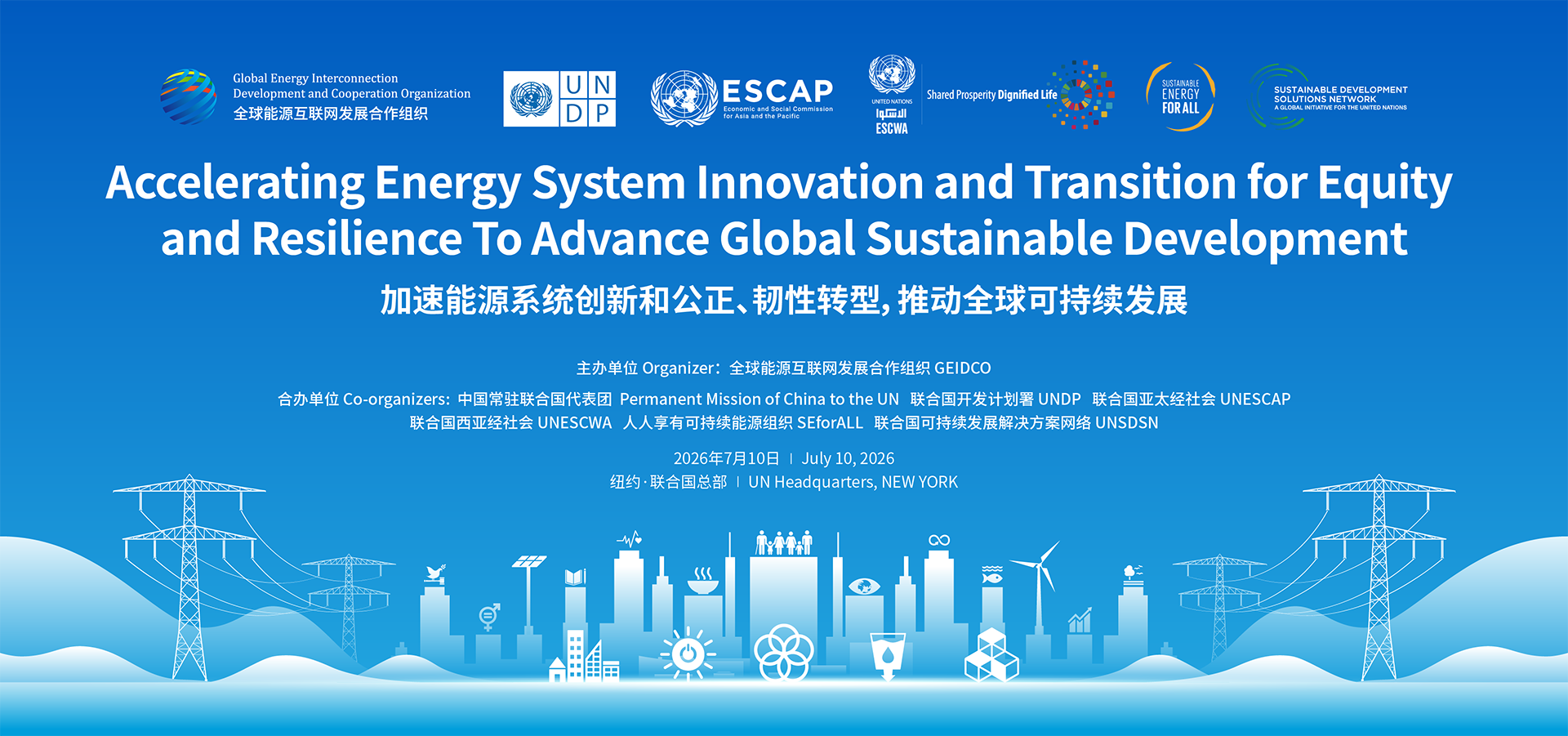
To align with the HLPF theme and advance global energy transformation and climate action, the Global Energy Interconnection Development and Cooperation Organization (GEIDCO), in partnership with the Permanent Mission of China to the UN, the UN Development Programme(UNDP), the UN Economic and Social Commission for Asia and Pacific(UNESCAP),and the Sustainable Development Solutions Network(SDSN), plans to co-host a thematic event entitled "Accelerating Energy System Innovation and Transition for Equity and Resilience to Advance Global Sustainable Development" at the United Nations Headquarters on Friday, 10 July 2026.

This thematic event will center on three core topics within the energy system: "Transformation, Innovation, and Resilience," "Equitable Transition and Global Governance," and "Synergies with Other SDGs." Through high-level dialogues, report launches, and round-table discussions, the event will assess the current landscape, identify challenges, analyze solutions, and propose actionable pathways.

By examining practical cases in policy, finance, and technology, the event aims to build consensus and formulate concrete recommendations to promote global clean, low-carbon, and sustainable development, contributing to the achievement of the UN Sustainable Development Goals.

Topic 1: Technological Innovation for Climate-Adaptive Power Systems and Enhanced Infrastructure Resilience

This topic will review the current state of energy systems and analyze global gaps in emission reduction, development and ecology. It will explore the development pathways for climate-adaptive power systems. Drawing on regional and national contexts, it will propose key focus areas and actions for building such systems, emphasizing technological innovation and scalable models.

Topic 2:Global Governance and Partnerships for a Just Energy Transition

This topic will explore how to establish a fair and inclusive governance framework for the energy transition. It will advocate for forming multi-level, multi-stakeholder partnerships that bring together governments, international organizations, the private sector, financial institutions, academia, and civil society. The goal is to foster the exchange and sharing of advanced experiences, case studies, cutting-edge technologies, solutions, policy frameworks, and governance models.

Topic 3: Enhancing Synergies Between SDG 7 and Related Goals (SDGs 6, 9, 11, 17)

Clean energy is a crucial enabler for achieving other SDGs, while coordinated multi-objective approaches can simultaneously advance green energy, sustainable industrialization, urbanization, and economic growth. This topic will focus on collaborative pathways linking energy transformation with water resource management, sustainable industry and infrastructure, and resilient cities. Recommendations will be offered concerning integrated planning, technical solutions, and policy guidance.

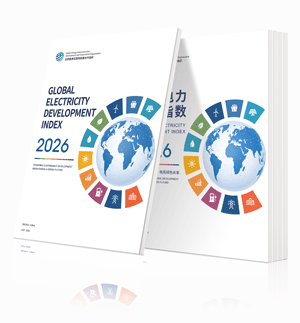
During the thematic event, a new capacity-building platform in the field of energy transition, initiated by GEIDCO and jointly developed with key global partners, the Global Energy Interconnection Academy(GEI Academy) will be officially launched. GEI Academy aims to bring together high-quality international resources and is committed to providing high-quality public goods for energy transition, especially for developing countries. Meanwhile the research report of Global Electricity Development Index 2026 will be released. Participants are cordially invited to attend.
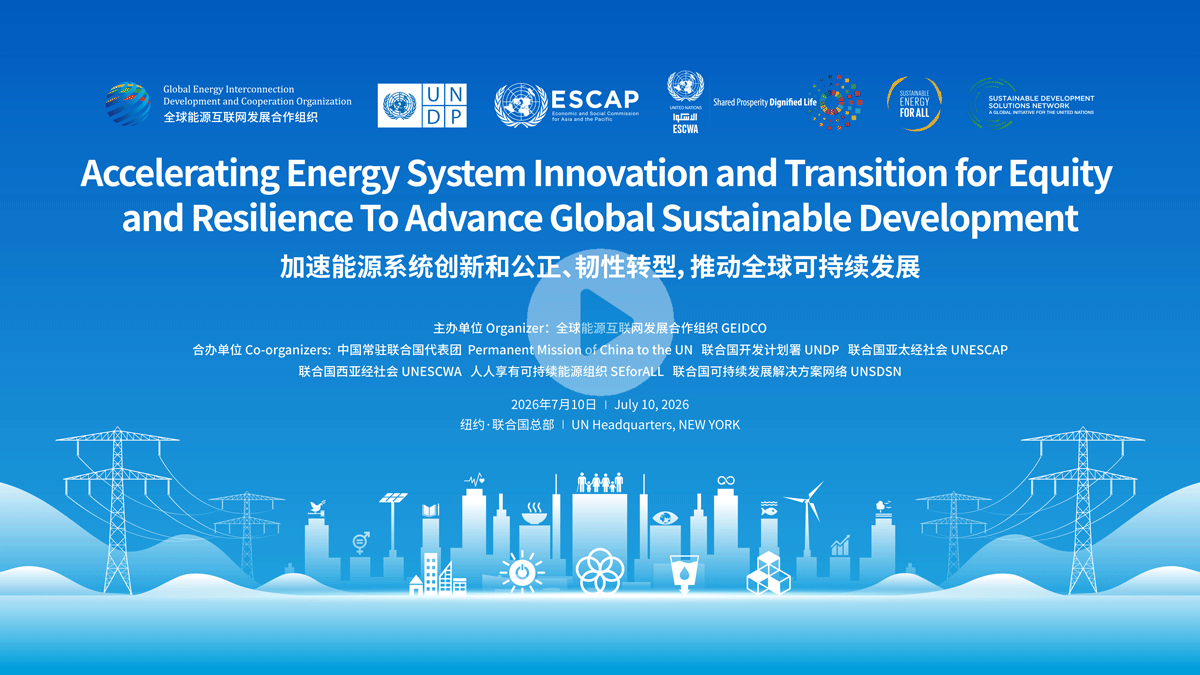
Theme Accelerating Energy System Innovation and Transition for Equity and Resilience to Advance Global Sustainable Development
Time July 10th(Friday) 15:00-17:30
Venue ECOSOC Chamber, UN Headquarters(Subject to availability and approval)
Host GEIDCO
Co-organizer Permanent Mission of China to the UN, UNDP, UNESCAP, UNESCWA, SEforAll, and SDSN
Languages Chinese,English,French,Russian,Spanish and Arabic (simultaneous interpretation)
Agenda
Time Content
Video Speech
14:45-14:55
1.H.E. Ms. Celeste Saulo, Secretary-General of the World Meteorological Organization (Virtual)
2.H.E. Mr. Tomas Lamanauskas, Deputy Secretary-General, International Telecommunication Union (Virtual)
3.GEIDCO Video
Group Photo
14:55
All Speakers and Moderators
Opening Remarks
Moderator: Dr. Cheng Zhiqiang , Executive Secretary for Cooperation, GEIDCO
15:00-15:20
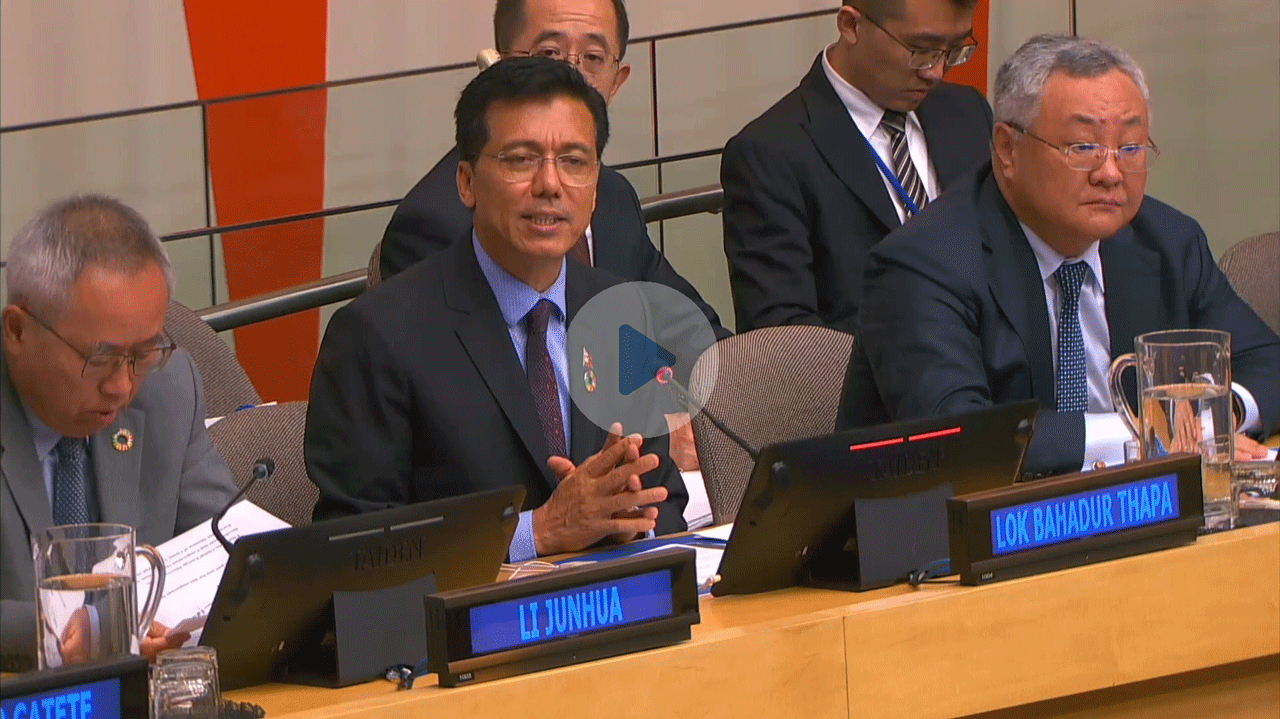
1.H.E. Mr. Lok Bahadur Thapa, the President of the United Nations Economic and Social Council
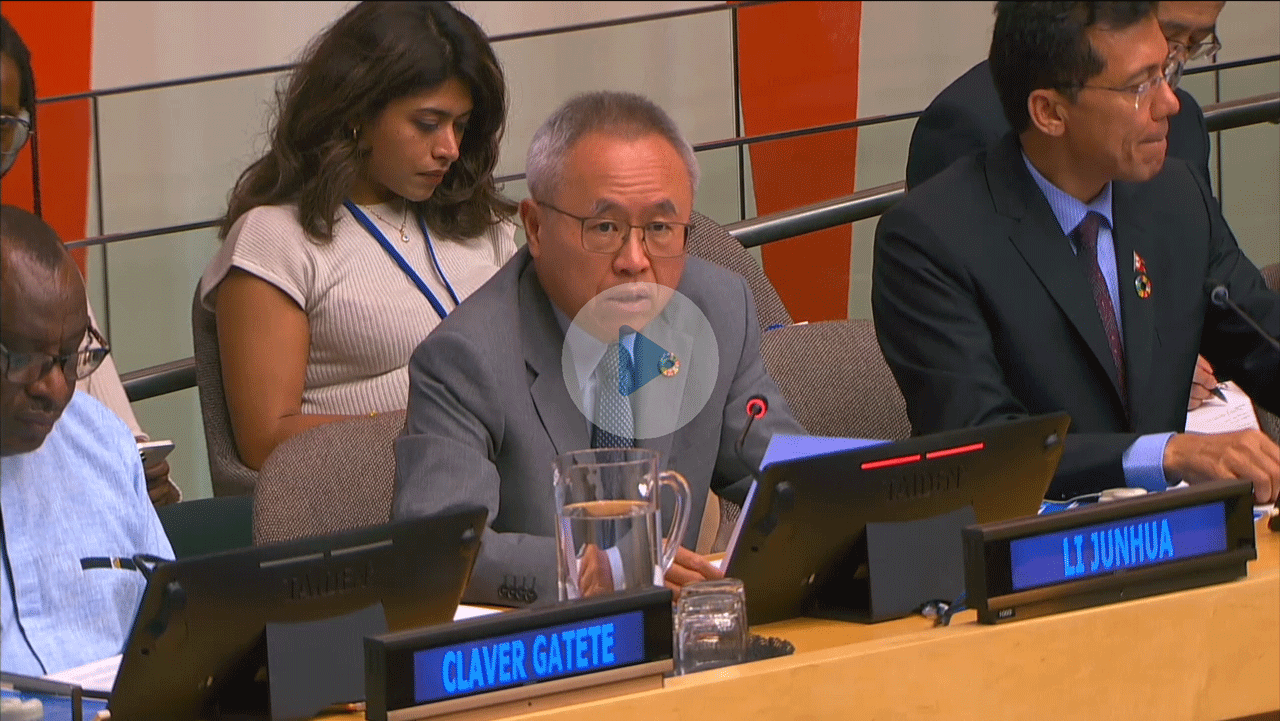
2.H.E. Mr. Li Junhua, Under-Secretary-General for Economic and Social Affairs, United Nations
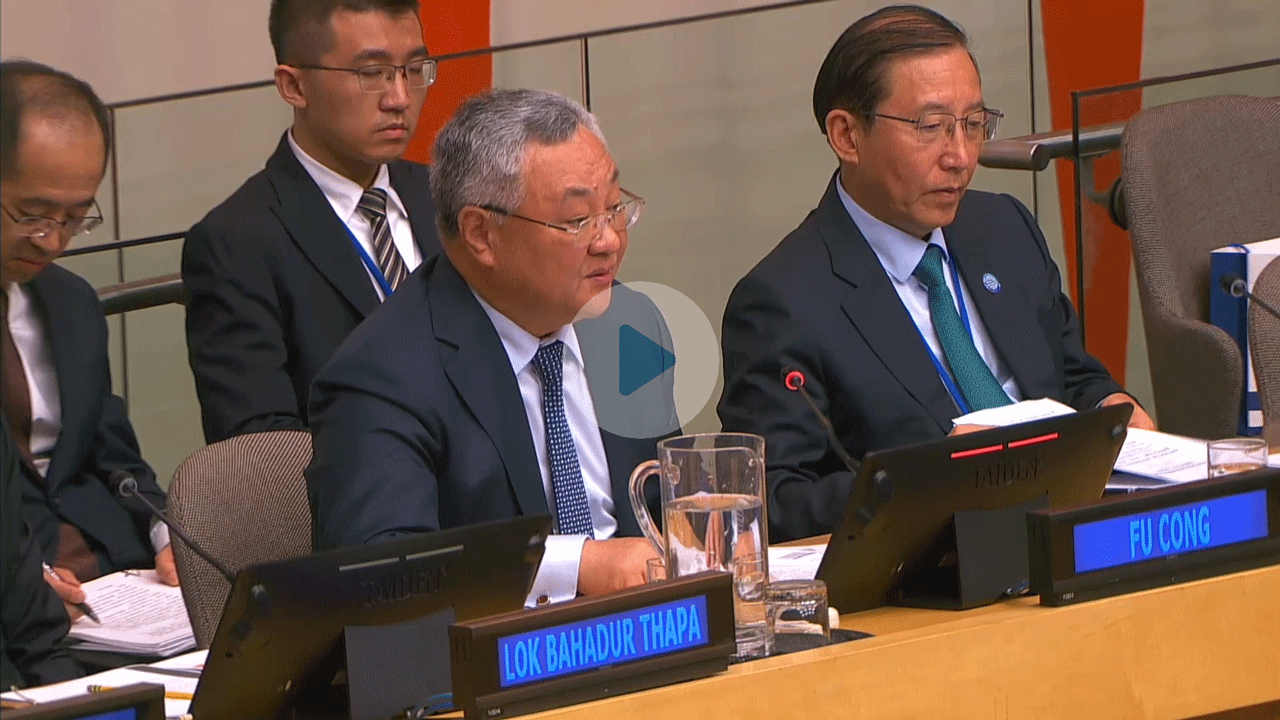
3.H.E. Mr. Fu Cong, Ambassador Extraordinary and Plenipotentiary and Permanent Representative of the People’s Republic of China to the UN
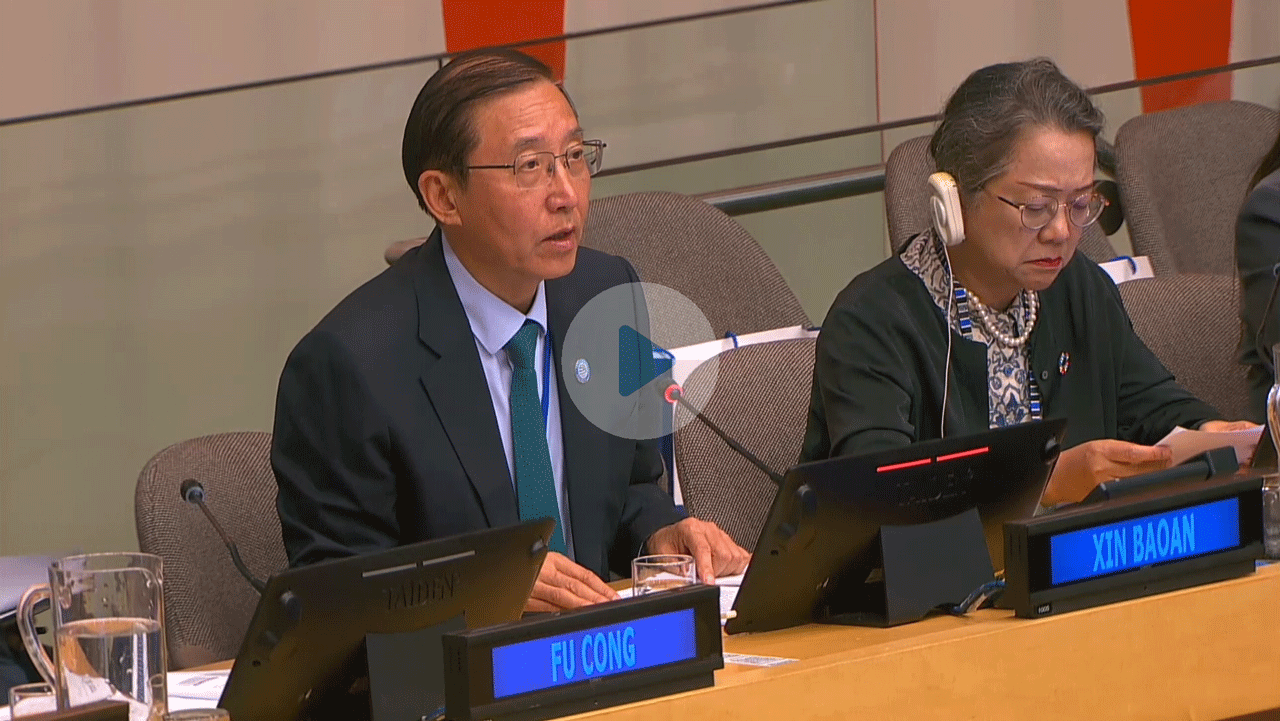
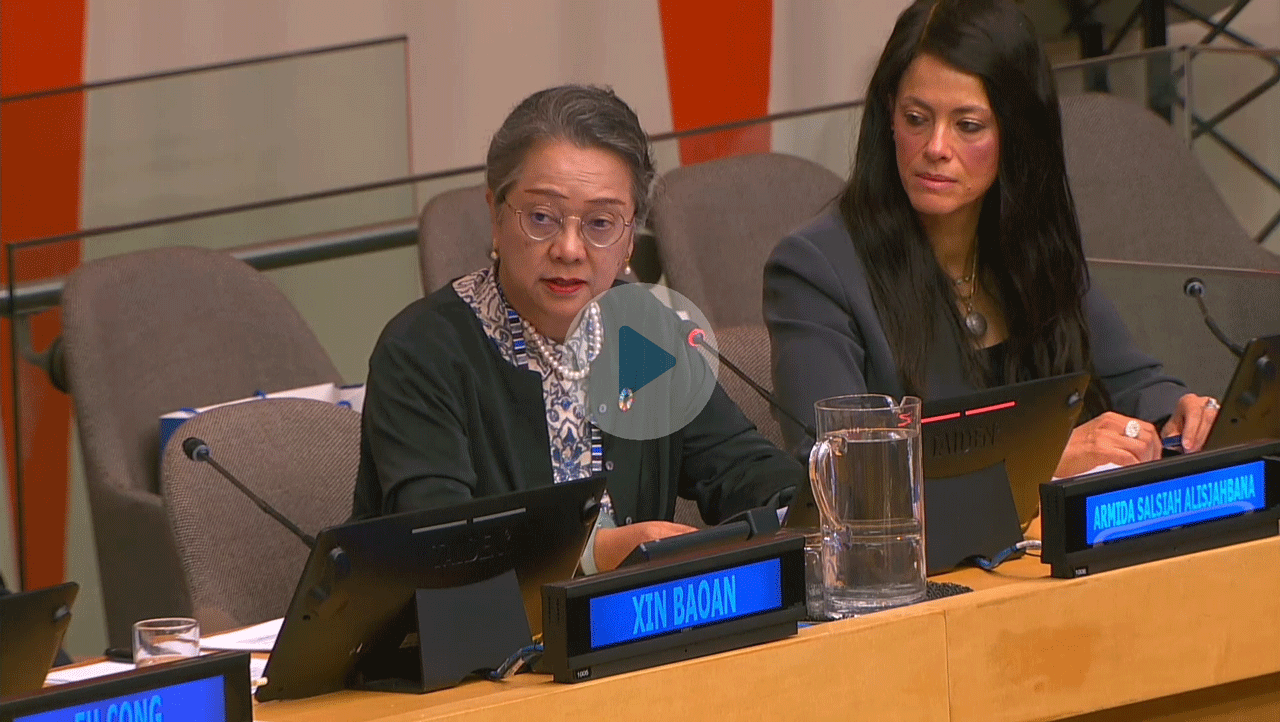
4.H.E. Mr. Xin Baoan, Chairman of GEIDCO, President of China Electricity Council
High Level Dialogue
Moderator: Dr. Cheng Zhiqiang, Executive Secretary for Cooperation, GEIDCO
Speakers will draw on their expertise and regional perspectives to assess the status, identify gaps and bottlenecks related to the three topics, and propose corresponding solutions and actions
15:20-16:20

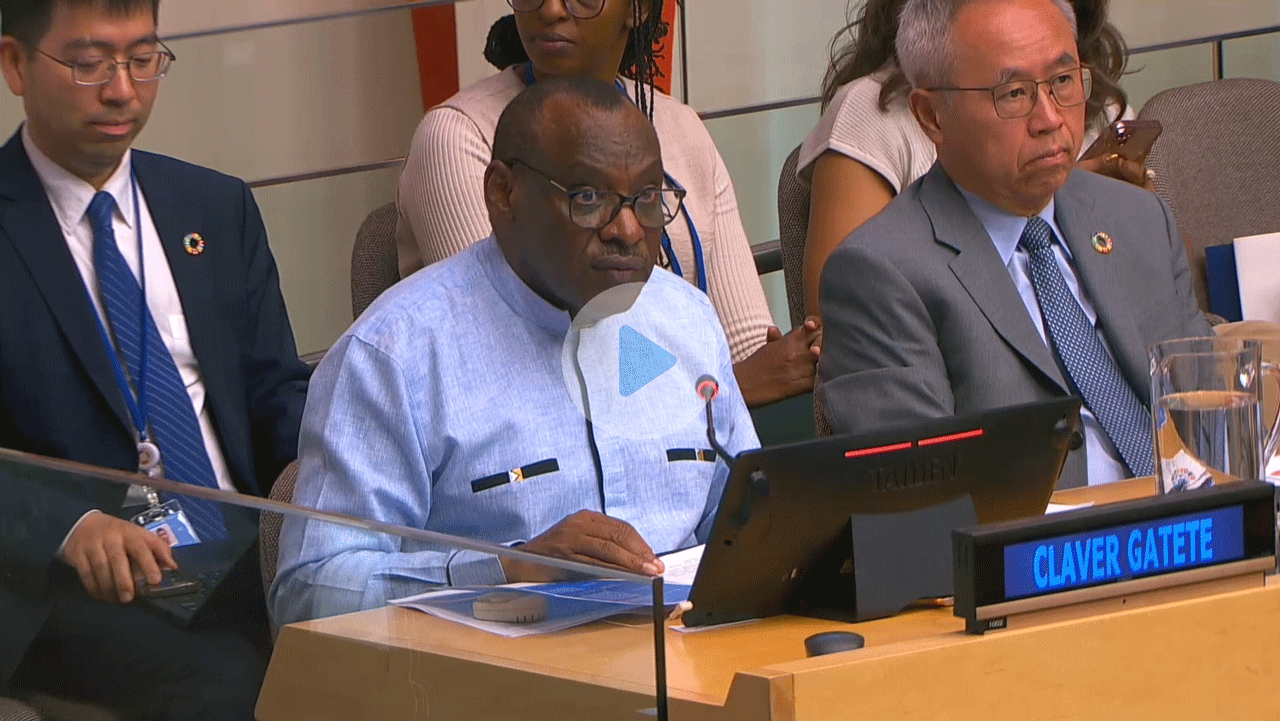
1.H.E. Mr. Claver Gatete, Executive Secretary of the Economic Commission for Africa
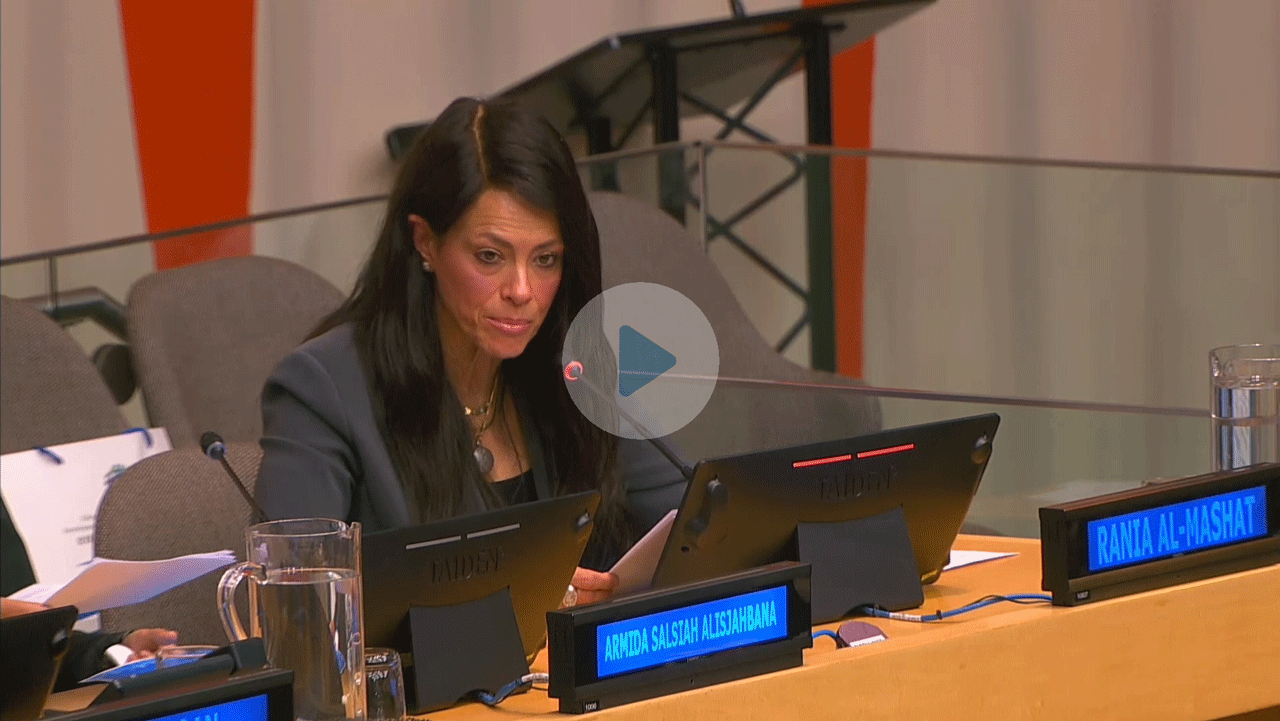
2.H.E. Ms. Armida Salsiah Alisjahbana, Executive Secretary of the Economic and Social Commission for Asia and the Pacific
3.H.E. Ms. Rania AL-Mashat, Executive Secretary of the United Nations Economic and Social Commission for Western Asia
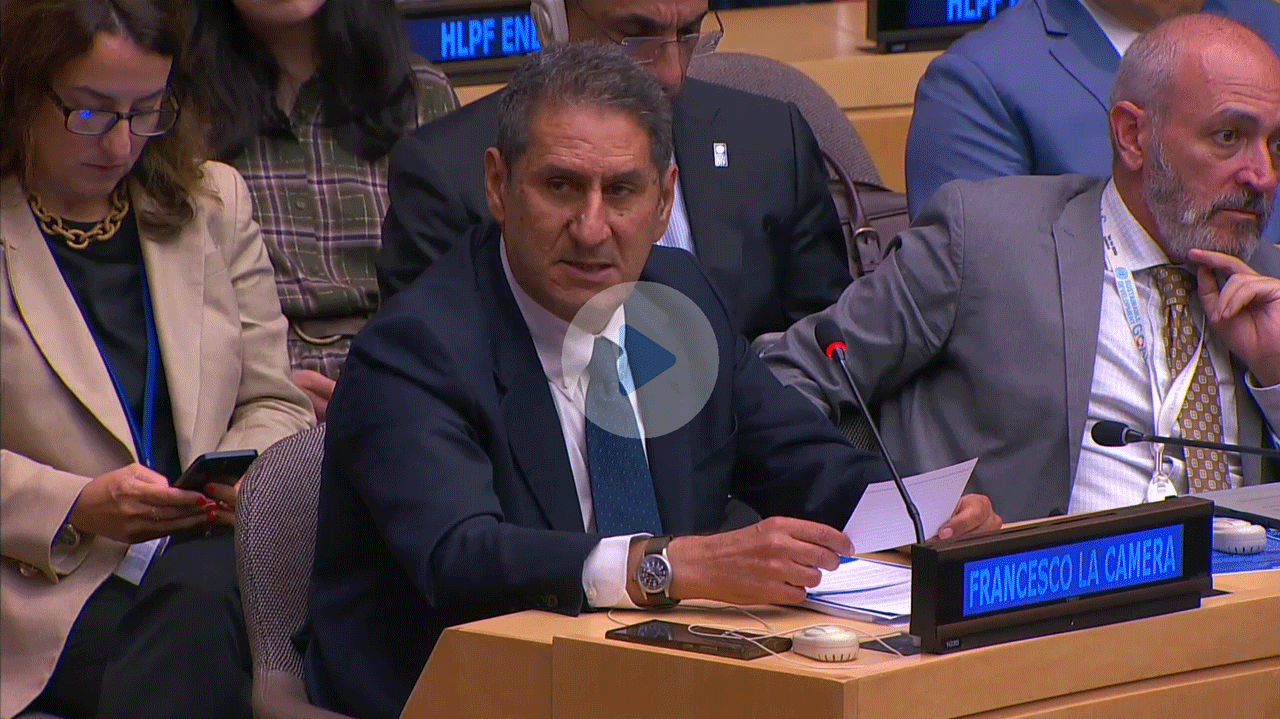
4.H.E. Mr. Francesco La Camera, Director-General of International Renewable Energy Agency
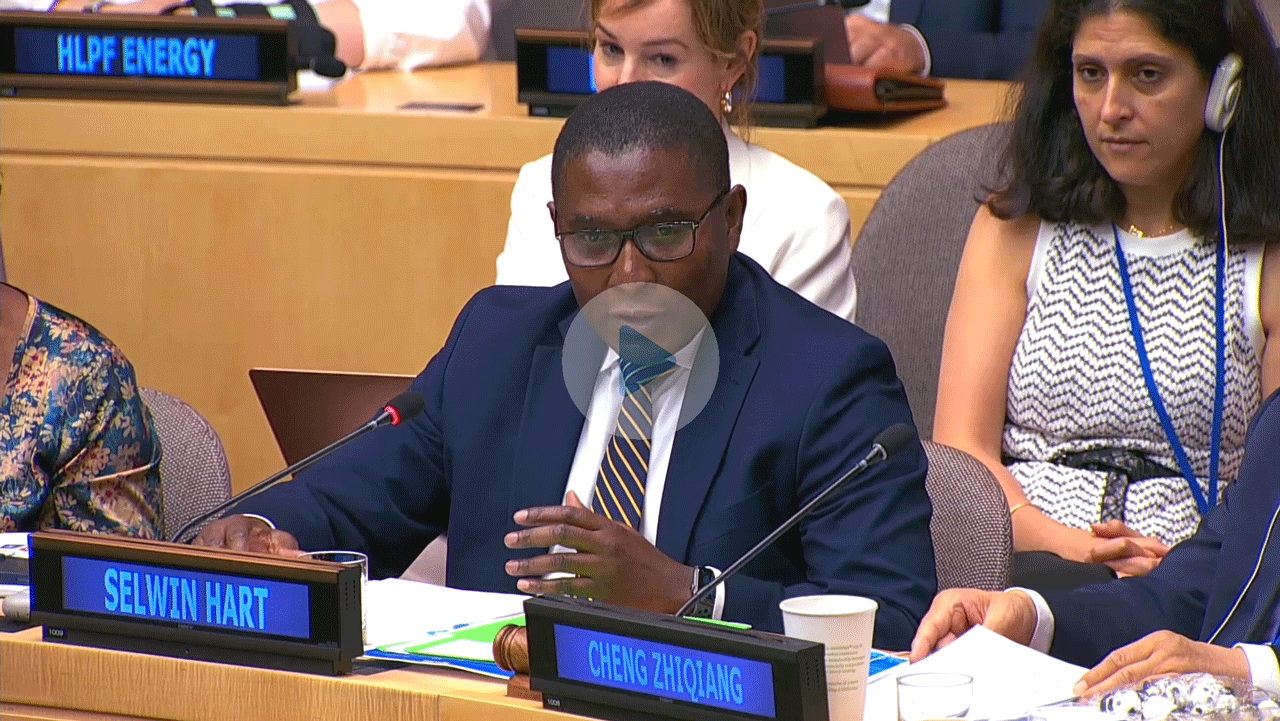
5.H.E. Mr. Selwin Hart, Special Adviser to the Secretary-General on Climate Action and Assistant Secretary-General for the Climate Action Team
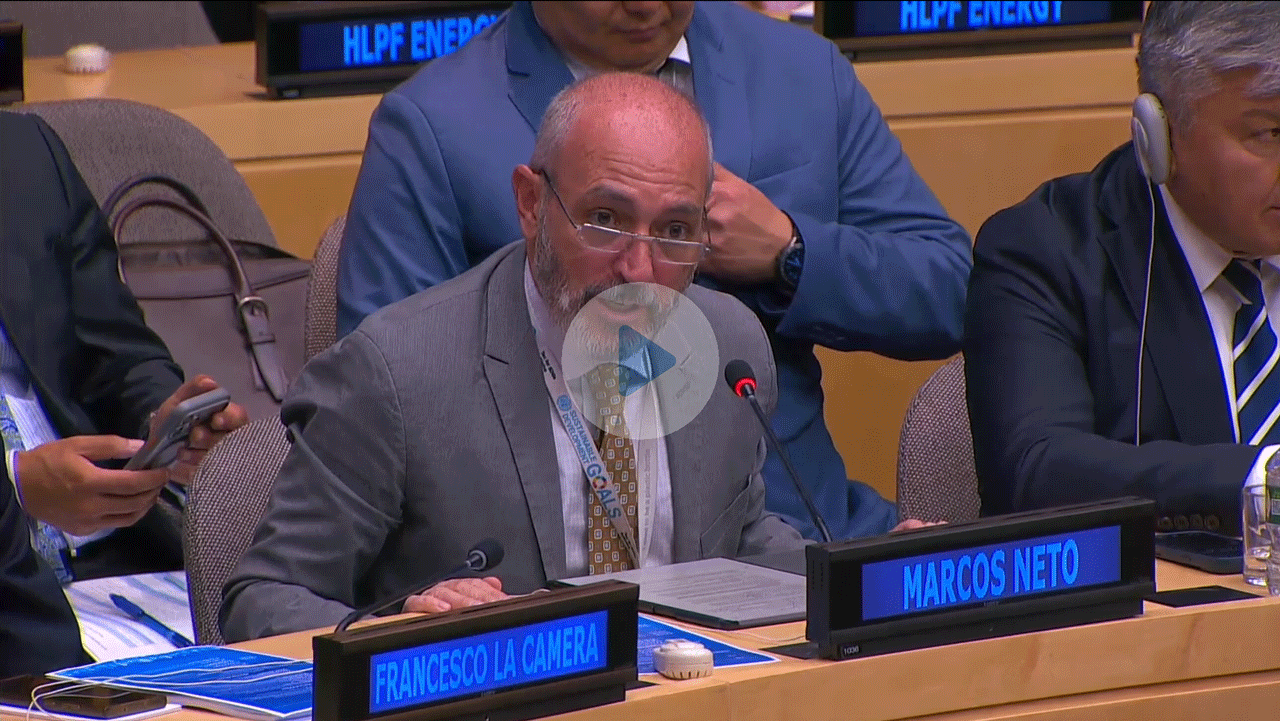
6.H.E. Mr. Marcos Neto, Assistant Secretary-General and Director of the Bureau for Policy and Programme Support, UNDP
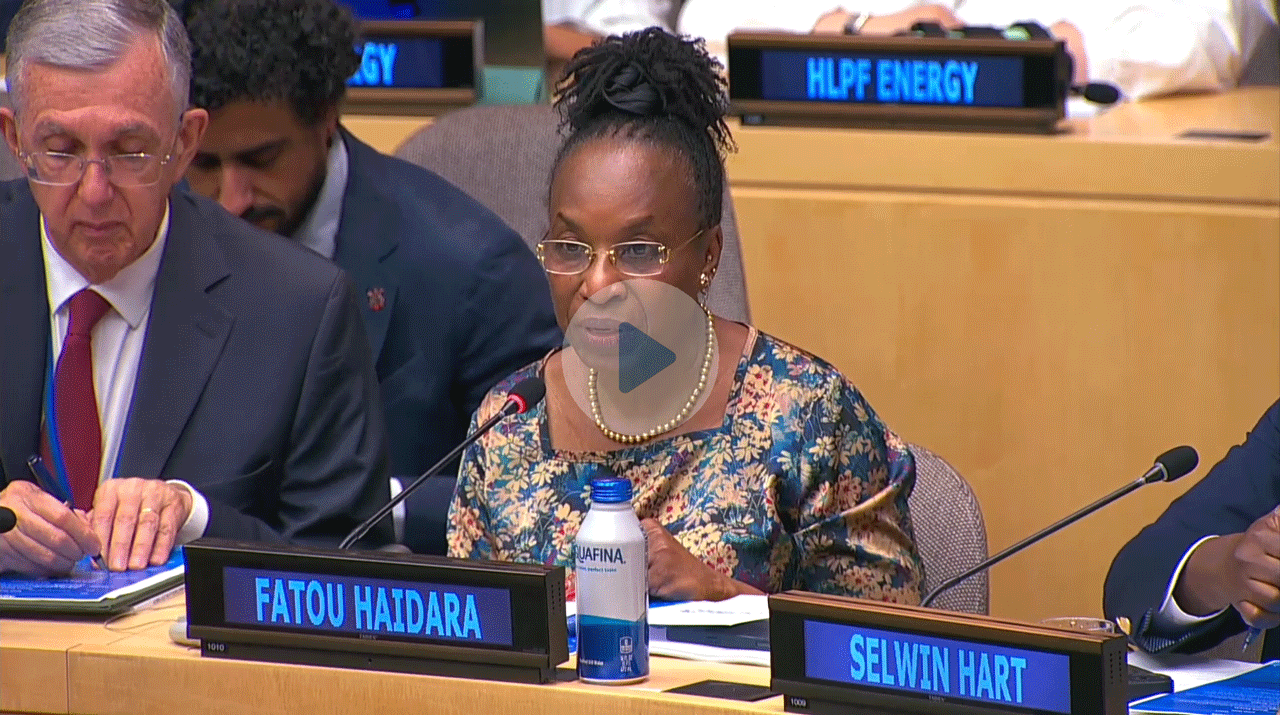
7.H.E. Ms. Fatou Haidara, Deputy to the Director General and the Managing Director of the Directorate of Global Partnerships and External Relations, UNIDO
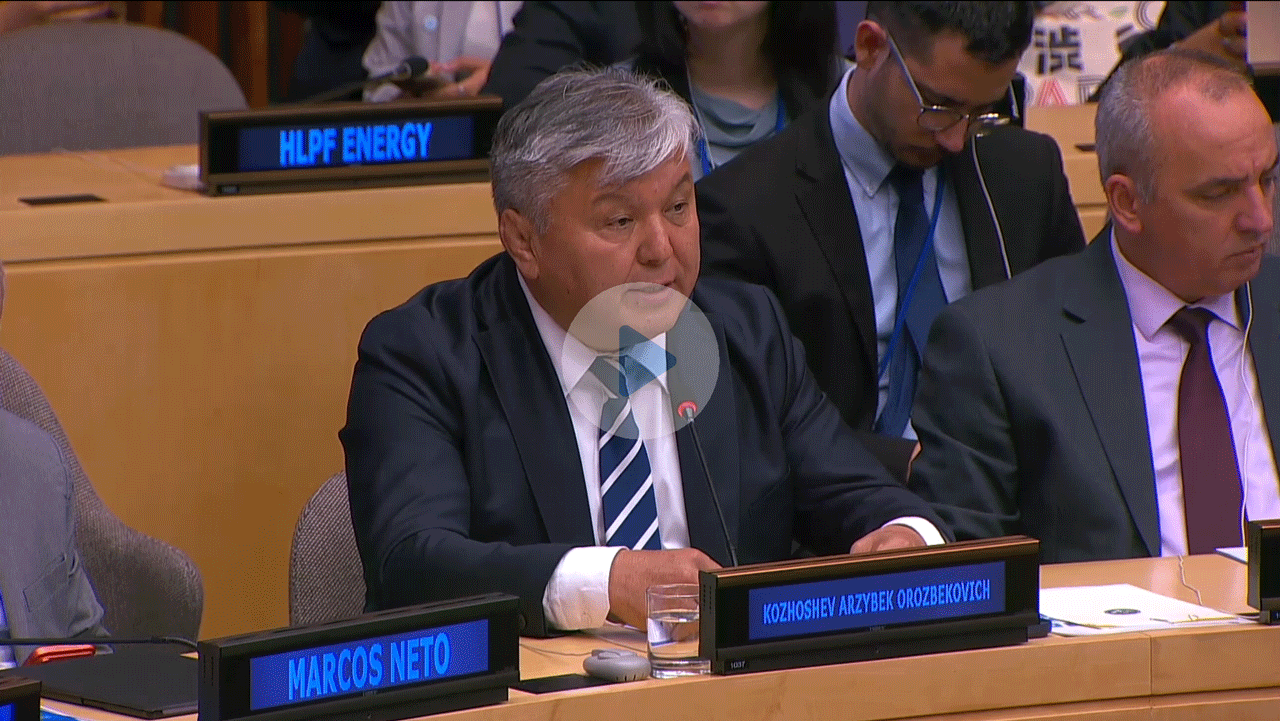
8.H.E. Mr. Kozhoshev Arzybek Orozbekovich, Member of the Board (Minister) for Energy and Infrastructure of the Eurasian Economic Union
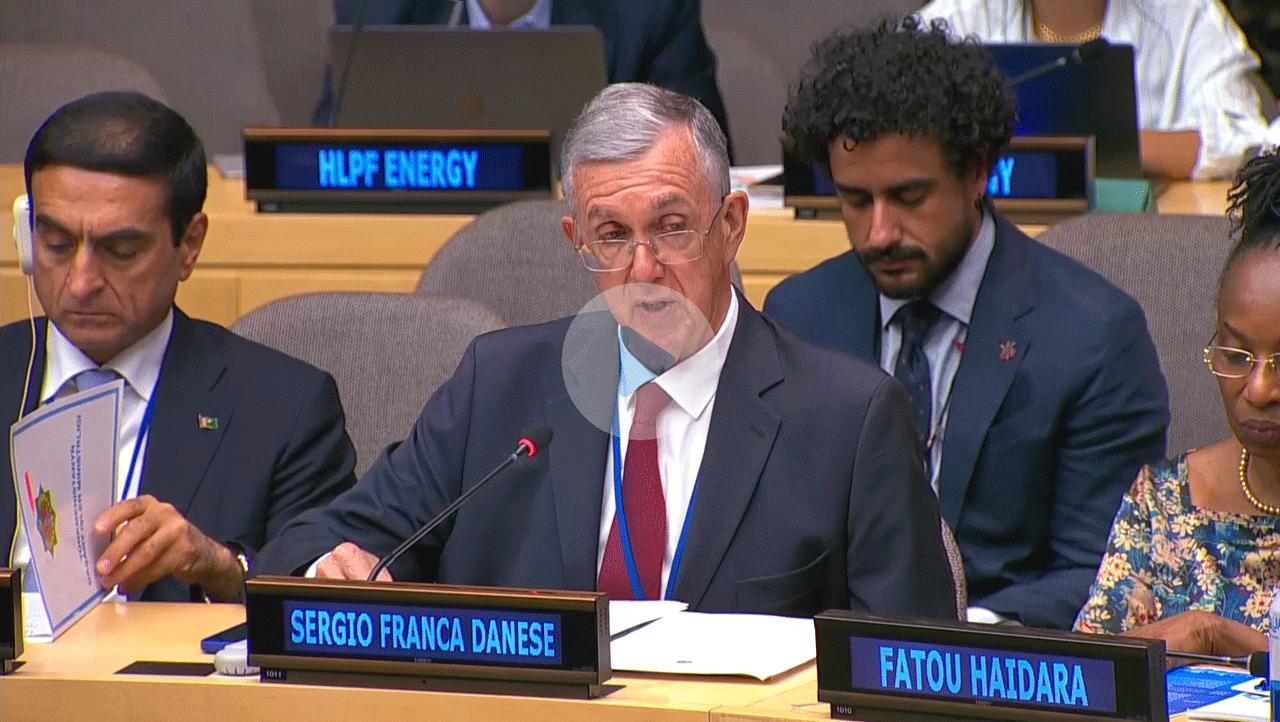
9.H.E. Mr. Sérgio França Danese,Permanent Representative of Brazil to the UN
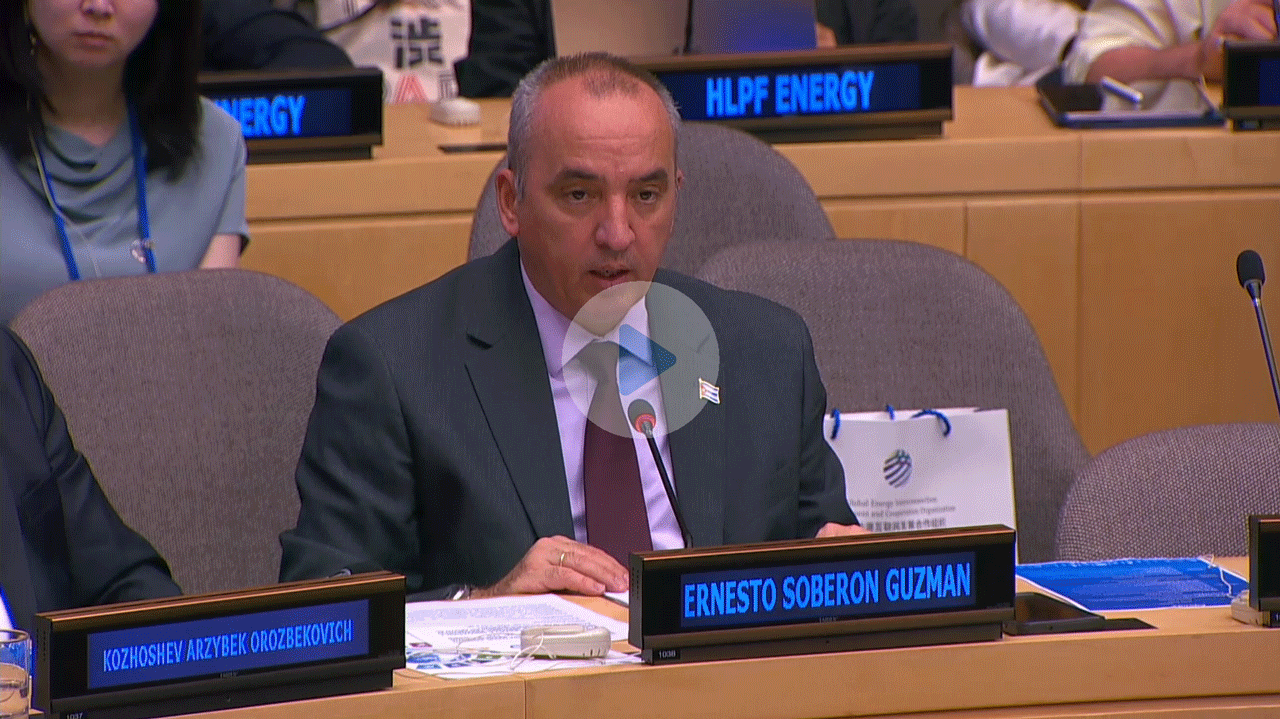
10.H.E. Mr. Ernesto Soberón Guzmán, Permanent Representative of Cuba to the UN
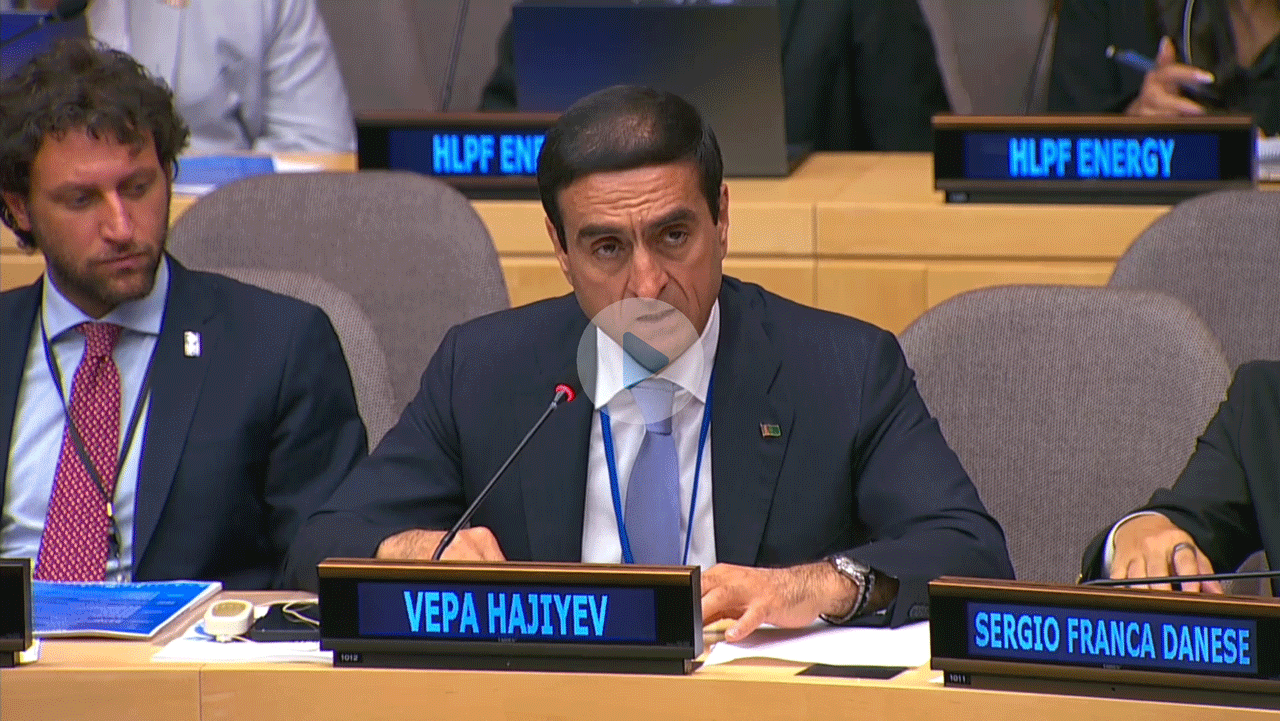
11.H.E. Mr. Vepa Hajiyev, Permanent Representative of Turkmenistan to the UN
Benchmark Activities
Moderator: Dr. Cheng Zhiqiang, Executive Secretary for Cooperation, GEIDCO
16:20-16:30
Report Launch of Global Electricity Development Index 2026
16:30-16:33
GEI Academy Establishment Ceremony
16:33-16:35
MoU Signing (GEIDCO-UNESCAP)
Panel Discussion
Moderator: Mr. Riad Meddeb, Head of UNDP’s Decarbonization and Sustainable Energy Team
Discussants will share solutions and best practices across the three topics from policy, finance, technological innovation, governance, and partnership perspectives, prompting collective thinking on practical actions for SDG implementation
16:35-17:30
1.Mr. Liu Hua, Deputy Director General and Head of the Department of Technical Cooperation, International Atomic Energy Agency
2.Mr. Vimal Mahendru, Vice President and Special Envoy for the UN SDGs, International Electrotechnical Commission
3.Mr. Stefano Marguccio, Deputy CEO of Sustainable Energy for All
4.Mr. Rafael Peralta, Director for the New York Office and North America, United Nations Environment Programme
5.Mr. Saifur Rahman, President & CEO of 2023 Electrical and Electronics Engineers (IEEE),Joseph R. Loring Professor & Founding Director of Advanced Research Institute of Virginia Tech USA
6.Mr. Tatsatom Goncalves, Manager for Research and Corporate Partnerships, WRI Polsky Energy Center


LIVE
REPORT

Global Electricity Development Index (2026) is a comprehensive global indicator that tracks and evaluates electricity development performance at the regional and national levels, covering the full chain of electricity generation, consumption, and allocation. It is designed to provide an authoritative reference for policymakers, investors, and electricity-sector professionals. As the latest edition following the 2024 release, this research features an upgraded and optimized indicator system that fully reflects the most recent landscape and trends in global electricity development.

VIEWPOINT